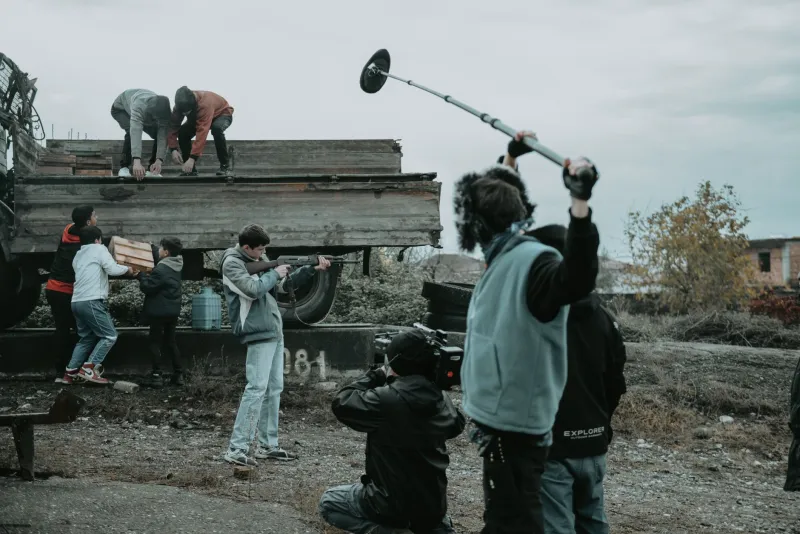
Open Doors, Dimmed Lights: Inside the Home Screening Movement Sparked by 'Ethos The Movie'
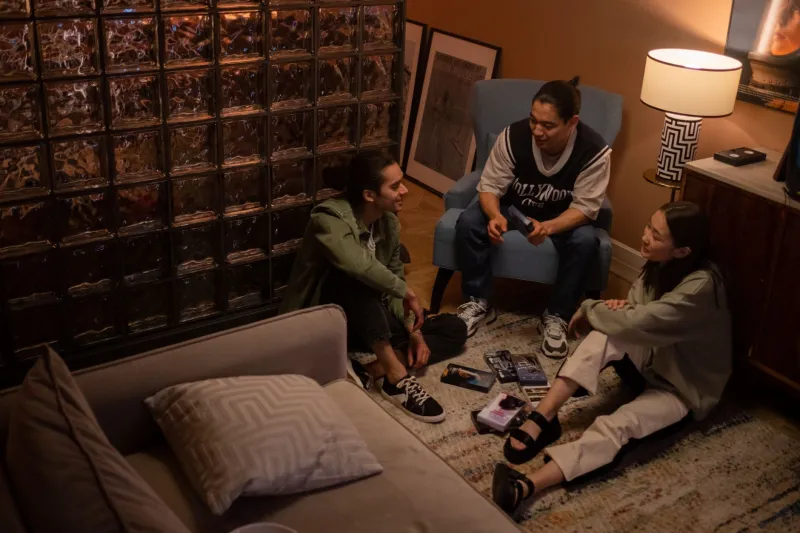
The lights dim in a living room in Dayton, Ohio. Fourteen folding chairs face a modest television, and the smell of coffee drifts from the kitchen. When the final frame of 'Ethos The Movie' fades to black, nobody reaches for a remote. Nobody checks a phone. Instead, the room sits in a silence that feels deliberate — and then, almost as one, the conversation begins.
Scenes like this are unfolding with increasing regularity across the United States. What began as scattered individual viewings has matured into something more organized: a grassroots network of fans hosting communal screenings in private homes, church fellowship halls, public libraries, and neighborhood community centers. The film, it turns out, resists being watched alone.
Why Viewers Refuse to Watch Alone
The instinct to gather around 'Ethos The Movie' is not accidental, according to those who study how audiences engage with demanding cinema. Films that pose moral questions rather than deliver moral answers tend to produce an unfinished feeling in the viewer — a need to talk it through. Solitary streaming, convenient as it is, offers no outlet for that impulse.
Margaret Ellison, a retired schoolteacher who has hosted nine screenings in her suburban Columbus home, describes the dynamic plainly. "You finish the film and you look around to see if anyone else felt what you felt. When you're alone, there's nowhere to put that. So people stopped watching it alone."
Her observation is echoed by hosts in at least a dozen states. The film's structure — patient, confrontational, unwilling to offer easy resolution — seems to generate a shared urgency. Viewers report wanting witnesses, not just company. The discussion that follows a screening is not an add-on; many hosts describe it as the actual event, with the film serving as its catalyst.
The Hosts Behind the Movement
The organizers profiled for this piece come from remarkably different corners of American life, yet their motivations rhyme.
In Tulsa, a group at a nondenominational church began screening the film for mixed audiences of congregants and neighbors, deliberately inviting people outside the congregation. Their facilitator, a construction manager named Daryl Okafor, keeps the post-film discussion to a strict format: no rebuttals for the first fifteen minutes, only responses. "The film doesn't lecture anyone," he says. "So we don't either."
In a branch of the Seattle public library system, a librarian organized a monthly screening series after noticing patrons requesting the film repeatedly. Attendance, she reports, now outpaces the branch's film club average by a wide margin, and the demographic spread — college students, retirees, working parents — is wider than any program she has run.
And in rural Vermont, a pair of neighbors co-host what they call a "potluck and reckoning" in a converted barn, alternating between the film and a rotating slate of other morally serious cinema. They insist 'Ethos The Movie' remains the one audiences ask for most.
What unites these hosts is a shared conviction that the film functions differently in company. Several used nearly identical language: it "holds people in the room together."
A Practical Guide to Hosting Your Own Screening
For readers considering staging a screening, the experienced hosts offered remarkably consistent advice.
Choose a space with intimacy, not spectacle. Every host agreed that a living room or small meeting room outperforms a large hall. The film's power depends on proximity — to the screen and to one another.
Curate the guest list for difference, not comfort. The most productive discussions, hosts report, came from rooms that mixed perspectives: different generations, different political instincts, different relationships to the film's themes. A room of the like-minded tends toward agreement, and agreement ends conversation.
Prepare questions in advance, but hold them loosely. Several hosts keep a short list of prompts ready — often drawn from the film's own central dilemmas — but most recommend letting the first moments of silence after the credits do their work before anyone speaks.
Set ground rules early and gently. Nearly every successful host established a norm of listening before responding. The film models a kind of moral patience; the discussion should follow its example.
Feed people. It sounds trivial, but it is not. Shared food lowers defenses, slows the pace, and turns a screening into an evening rather than an appointment. The Vermont barn hosts were emphatic on this point: "Nobody argues well on an empty stomach, and nobody leaves well either."
Plan the ending before the beginning. The best hosts decide in advance how the night closes — often with a single round of brief reflections, or a quiet question guests take home. Movement, several noted, is built on people leaving with something to carry.
A Modest Phenomenon With Considerable Consequences
No one involved in these screenings claims to be building a movement, which may be precisely why the movement keeps growing. There is no central organization, no branded kit, no official registry. There are only living rooms, folding chairs, and the recurring discovery that certain questions cannot be answered alone.
In an entertainment landscape engineered for individual consumption — one account, one screen, one algorithm — the home screening phenomenon around 'Ethos The Movie' suggests an appetite the industry has underestimated. Americans, it appears, still want to face difficult things together.
The lights come up in Dayton. The coffee is poured. And the conversation, fourteen people strong, has only just begun.